
Why Keeping Spare Scissor Lift Parts Matters
Scissor lifts work hard. They’re exposed to dust, vibration, moisture, jobsite impacts, and constant cycling. Over time, even well-maintained machines experience wear.
The most common causes of downtime are not catastrophic failures. They’re small, predictable issues:
A blown fuse
A failed limit switch
A damaged control cable
A leaking hydraulic hose
These are inexpensive parts. But if you don’t have them on hand, your lift can sit idle for days waiting on shipping.
Keeping critical spare parts in inventory helps you:
Reduce downtime
Avoid emergency shipping costs
Keep projects on schedule
Improve safety
Protect your equipment investment
Now let’s look at what you should actually stock.
1. Electrical Components
Electrical issues are one of the most common reasons scissor lifts stop working.
Must-Have Electrical Spare Parts
Fuses and circuit breakers
Relays and contactors
Limit switches
Emergency stop switches
Toggle switches and key switches
Control box joysticks
Wiring connectors and harness repair kits
Small electrical components are inexpensive and easy to store. But when one fails, the machine often won’t operate at all.
If your fleet includes popular brands like Genie, JLG, or Skyjack, stocking model-specific electrical components is especially important because control systems vary by manufacturer.

2. Hydraulic Components
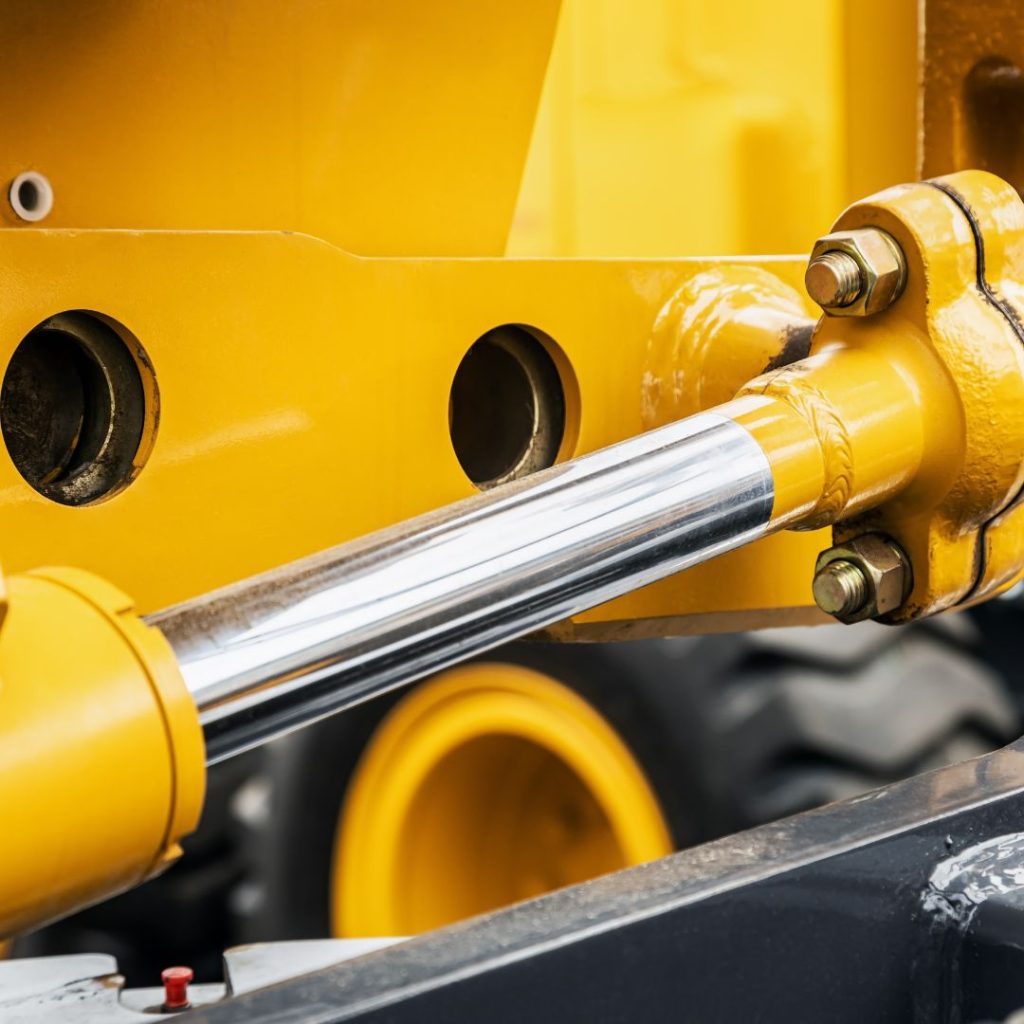
Hydraulics are the heart of any scissor lift. If pressure drops, lifting stops.
Hydraulic Spare Parts to Keep on Hand
Hydraulic hoses
Hose fittings and adapters
Hydraulic filters
Seal kits for cylinders
O-rings and gasket kits
Hydraulic oil (correct grade for your equipment)
Hydraulic hoses are especially critical. They wear over time and can fail without much warning. Having replacement hoses or at least common sizes in stock can save you from extended downtime.
Seal kits are also worth keeping for lifts that see heavy use. Cylinder leaks are common in aging machines.
3. Batteries and Charging Components
For electric scissor lifts, battery-related issues are extremely common.
Battery-Related Parts to Stock
Replacement batteries (or at least one spare set for high-use fleets)
Battery cables
Terminal ends
Battery chargers
Charger fuses
Watering system components
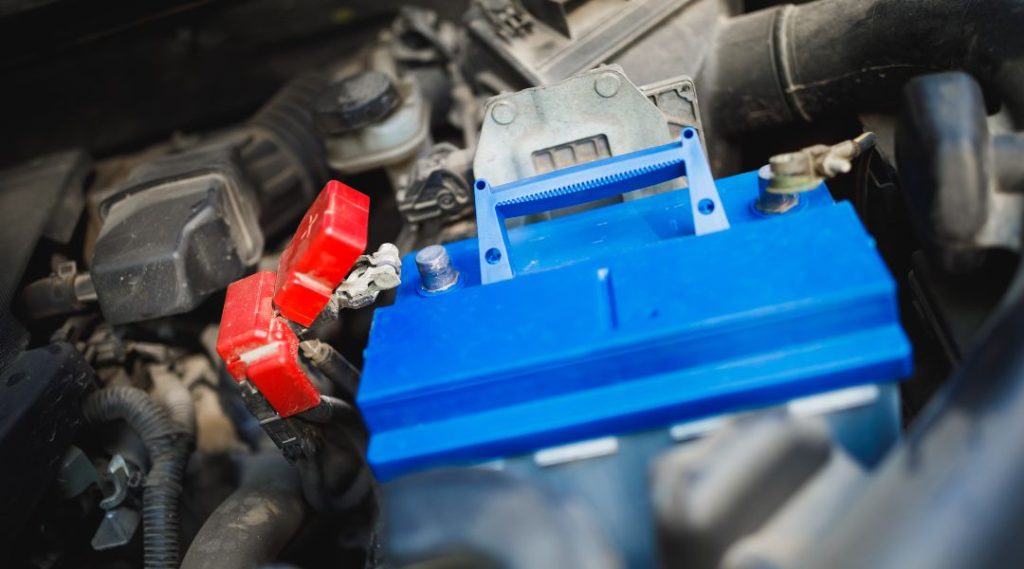
Weak or failing batteries reduce lift height performance and runtime. In many cases, what looks like a major electrical issue is simply a battery problem.
If you operate multiple electric lifts, having compatible spare batteries available is one of the smartest investments you can make.
4. Wear and Tear Parts
Some components are guaranteed to wear out. It’s not a question of if, but when.
Common Wear Items
Tires (solid or foam-filled depending on model)
Wheel bearings
Bushings
Pins
Brake components
Platform extension rollers
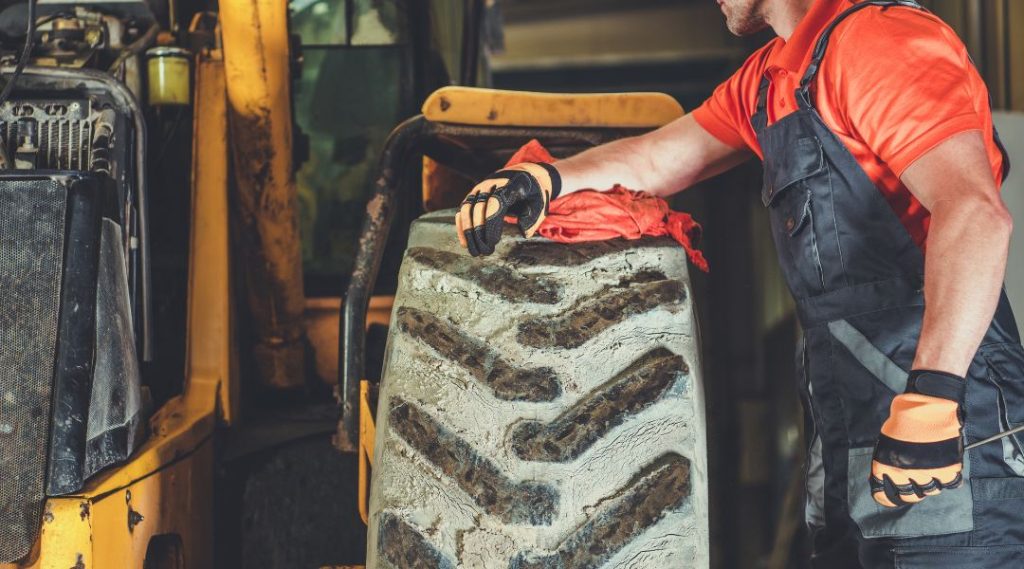
Tires are especially important. Jobsite debris, warehouse floors, and rough terrain can all cause damage. If you rely on your lift daily, having at least one spare tire per common model is wise.
5. Safety Components
Safety systems must be fully functional at all times.
Essential Safety Spares
Guardrail components
Gate latches
Tilt sensors
Load sensors
Alarm buzzers
Decals and warning labels
While decals might seem minor, damaged or missing safety labels can lead to compliance issues during inspections. They’re inexpensive and easy to stock.
Tilt and load sensors are more specialized, but if you operate lifts in environments with strict safety oversight, having one available can prevent long inspection delays.
6. Control and Platform Parts
Operators use these parts every day. They take abuse.
Frequently Replaced Items
Platform control boxes
Joysticks
Control cables
Foot switches
Drive motors (for high-use fleets)
Control boxes are particularly vulnerable to damage from drops, weather exposure, or impact. If your lift works in tough environments, this is a part worth keeping in reserve.
How to Decide What You Should Stock
Not every operation needs a full warehouse of spare scissor lift parts. The right inventory depends on:
1. Fleet Size
The more lifts you operate, the more spares you should keep.
2. Equipment Age
Older lifts require more frequent repairs. Stock more hydraulic and electrical components if your fleet is aging.
3. Usage Intensity
Daily warehouse use demands a stronger parts inventory than occasional contractor use.
4. Lead Times
If certain parts take a week or more to arrive, consider stocking them proactively.
OEM vs Aftermarket Spare Scissor Lift Parts
Customers often ask whether they should buy OEM (Original Equipment Manufacturer) parts or aftermarket replacements.
Here’s the simple answer:
OEM parts offer guaranteed compatibility and manufacturer backing.
Quality aftermarket parts can reduce cost and work just as well when sourced from trusted suppliers.
The key is reliability. Cheap parts that fail quickly cost more in the long run.
Building a Smart Spare Parts Strategy
Instead of guessing, take a data-driven approach.
Look at your repair history over the past year:
What failed most often?
What caused the longest downtime?
Which parts were hardest to source quickly?
Those answers tell you exactly what you should stock.
A small, well-planned inventory of spare scissor lift parts is far more effective than randomly ordering parts when something breaks.
Final Thoughts
Scissor lifts are reliable machines. But like any equipment, they require proactive planning.
Keeping the right spare scissor lift parts on hand means:
Less downtime
Fewer delays
Safer operation
Lower long-term repair costs
You don’t need to stock everything. Focus on electrical components, hydraulic wear items, battery-related parts, and high-use safety components first.
If you’re unsure where to start, review your maintenance records or speak with a trusted parts supplier who understands your specific lift models.
A little preparation now can save you days of lost productivity later.